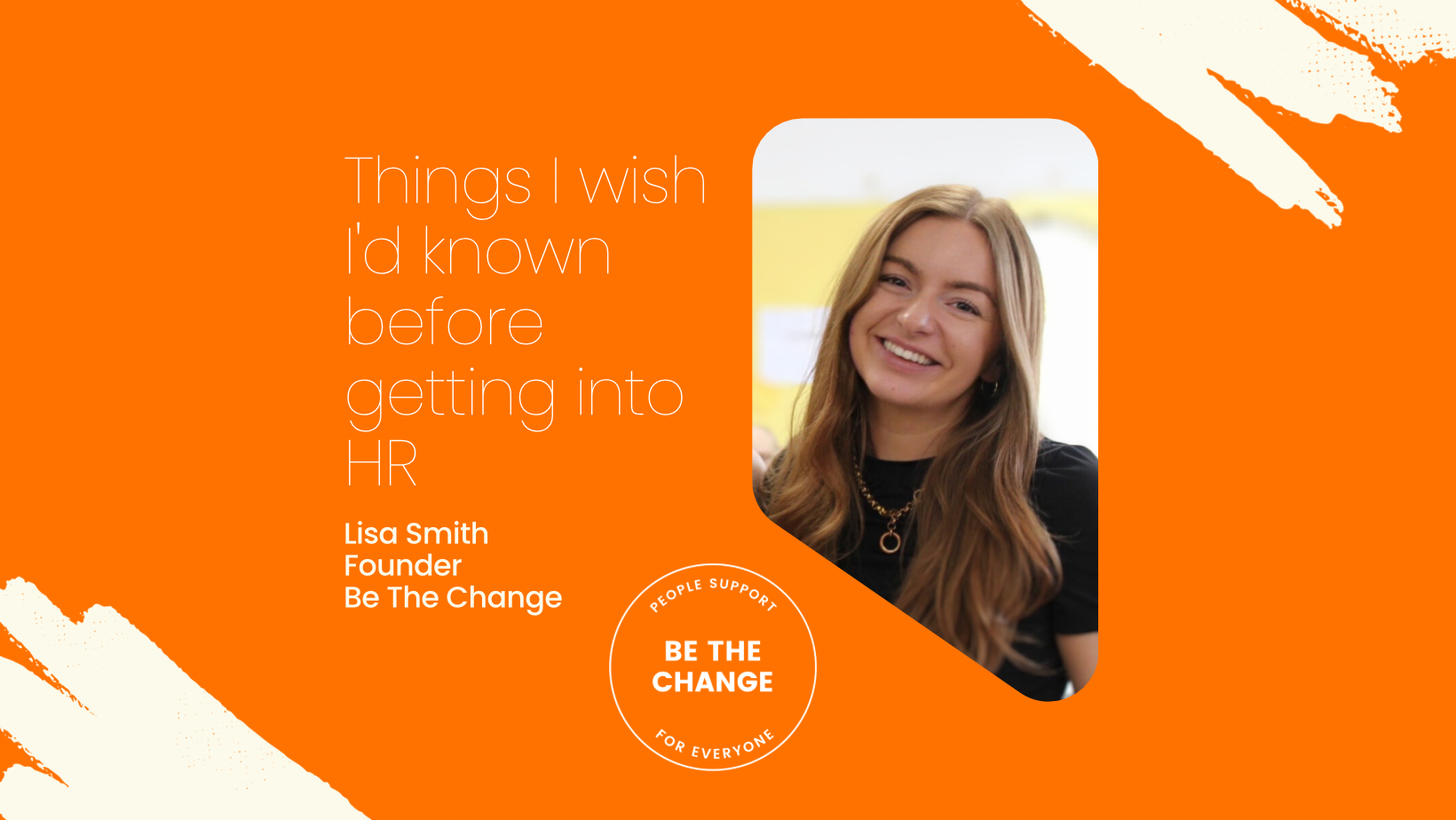
Things I wish I’d known before getting into HR: Lisa Smith
I’ve worked in HR for a while now, and I know there are a lot of unknowns and misconceptions about the reality of my work (you all tell me!). When I work with young people who are thinking about their careers, or even when speaking with University students, I get a sense that I could be doing more to break down those misconceptions. So, for anyone out there who perhaps feels a bit apprehensive, confused, or even just curious, I can tell you a few things I wish I'd known before making the move into HR.

1. Working in HR does not mean you leave your personality at the door. One of the biggest misconceptions about HR is that it's boring and you’re expected to be the fun police. If you don’t want to be that stereotypical mean scary HR then just don’t! Of course, it’s not always a laugh a minute, but that’s true in any profession and certainly not exclusive to HR. You get out what you put in, so don't ever be afraid to inject some personality into your work. It's okay to have a laugh or tell a risky joke. Just read the room and if you upset someone, say sorry - we’re human! HR can be serious business, but that doesn't mean you can't have a sense of humour. In fact, the ability to lighten the mood can go a long way in some more tricky situations. Just be sure to keep it appropriate and respectful.
2. You can make work friends in other teams! I was told in my early HR career that if I wanted to climb the ladder, I wouldn’t do that by having friends outside of HR. At the time I took this as absolute fact and ended up isolated and miserable and it made our team seem unapproachable. I would never ever ask that of my team, working in HR does not mean you have to keep a professional distance from your colleagues. Yes, you’ll likely know things you can’t share with your work friends, and sometimes you might hear things you wish you hadn’t, but let’s not get too caught up on that - just be mindful of what you share and if someone confides in you, ask if they’re telling you as a friend or as HR - you'll then know what to do.
3. Mistakes happen! There's a lot of pressure to always get it right. Not everything comes with a set of ACAS guidelines, and sometimes you have to make decisions on the spot. You won't always get it right, and that's fine. It's not about the mistakes it's about how you move on from them and make sure they don't happen again. Trust me, you won't end up at Tribunal for miscalculating someone's holiday by accident and your company isn't going to go bust from a huge GDPR fine if you don't delete one passport photo from the scans file. Correct the issues, apologise if you need to, don't let it happen again, and you'll be fine.

4. People don't remember the free fruit in the kitchen, but what they do remember is how you made them feel when things were tough. It's so important that you prioritise kindness. Send flowers to brighten someone's day, allow people to take time off for important personal events like school plays, acknowledge and respect religious holidays, and be understanding when life happens. Instead of jumping to hasty conclusions when someone behaves out of character, take the time to understand why. Make time for individuals who think or act differently to you.
By consistently adopting an empathetic approach, you'll find that navigating tough situations becomes much easier. Remember, it's the human connections and compassion that leave a lasting impact - the fruit will never do it.
5. You have a huge amount of scope to make work a great place for everyone, but there’s a tonne of paperwork to get on with too. Whether it's employee engagement initiatives, belonging programmes, or simply being a supportive presence for your fcolleagues, there are countless ways to make a difference - so where you can, invest in systems that automate or reduce your admin work. HR systems can be as cheap as £8 a month and the cost benefit is huge.
6. Sometimes the work you’ll do will be draining, and you might not feel you have anyone to turn to, especially when you’re dealing with confidential issues. It can be really challenging, and there may be times when you feel overwhelmed or unsure of how to handle a situation. It's important to have a support system in place, whether it's a mentor, a colleague you trust (PA’s are always a great option as they often have access to sensitive information too), an external consultant, or a professional network. Remember it's okay to ask for help when you need it.
7. HR is not a very diverse industry, so it's up to us to work out why that is and be part of the change. If you attend any events, you’ll see it is still a relatively white, female, middle class industry, and there is a lot of work to be done to increase diversity. You can play a role in changing this by being open to mentoring opportunities, advocating for diversity and inclusion initiatives, and actively seeking out diverse candidates for open positions in your team.
8. This job is not for everyone. If you struggle listening to other peoples problems, don’t empathise with others easily, or find it difficult not knowing what each day will be like, I would have a big long think before taking on a HR Generalist role. You can specialise in all sorts of different areas, so take the time to look at all the ways you can be part of HR that suit you and your working style. You could go into reward, benefits, policy, you name it there’s a pace for everyone! Don’t burn yourself out in Generalist roles unless you thrive under pressure.
I really love my job; I just wish I'd known I could relax a bit, prioritise kindness, and have more fun with my work all those years ago. Since I’ve had the agency to do this, I've been able to work on some amazing projects that have changed the culture of the organisations I've worked with.
At Be The Change we offer a huge range of People support, from being a critical friend overlooking your new idea, taking some of the pressure off your HR team by picking up the admin, or stepping in to help with those tricker conversations. We love being your trusted partner and watching your people practices go from good to great.